This is a paid partner contribution. Commercial relationships are disclosed so readers can distinguish sponsored content from editorial guides.
A new sign serves as a physical marker for your business, signaling your presence to everyone passing by. Deciding on the shape, material, and placement of that marker involves more than just choosing a color or a font. It requires a clear understanding of your specific location and the rules governing your property. Approaching a professional with a prepared set of observations and questions can help you navigate the transition from a concept to a finished installation.
Site observations and physical constraints
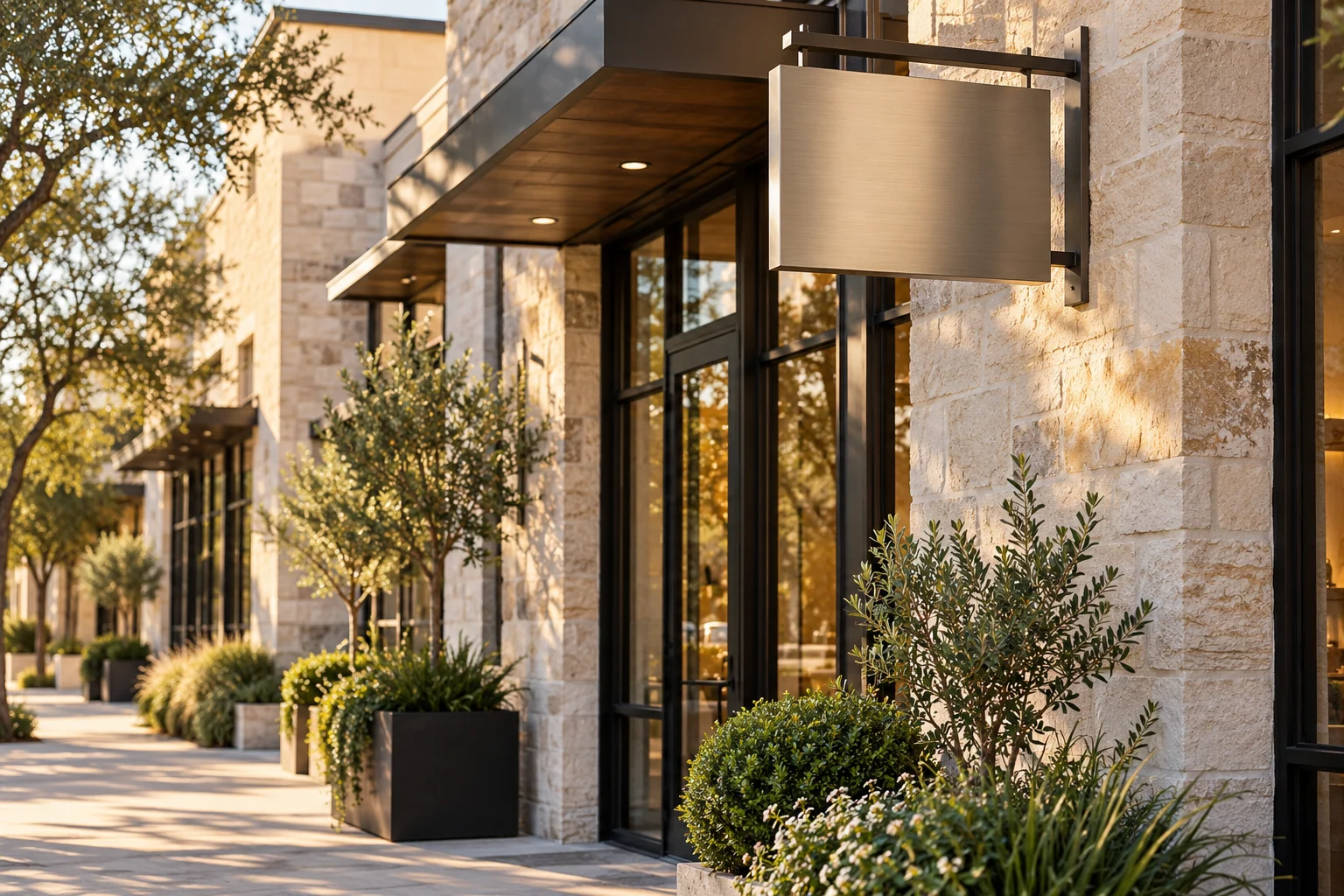
Before meeting with a signage specialist, walk the perimeter of your business. Note the textures of your walls, the height of your entryway, and the presence of existing fixtures like light sconces or security cameras. These physical details dictate what can actually be mounted and where. Consider how the sun moves across your storefront throughout the day; a sign placed in direct, intense light may face different conditions than one tucked under an awning.
For example, if you are opening a shop in a building with a brick facade, the mounting hardware and depth of the sign will differ from a shop located in a modern glass-and-steel complex. You might choose between a large, illuminated monument sign that sits near the curb or smaller, individual letters mounted directly to the building. Each choice involves a tradeoff between visibility from a distance and how well the sign integrates with your building's architecture.
Navigating property and local requirements
Every commercial space comes with its own set of expectations. Before you begin the design process, you should prioritize checking landlord sign criteria before design starts. Understanding what your property owner allows prevents the frustration of designing a beautiful sign only to find it violates a lease agreement or a local ordinance. Ask your landlord for any written guidelines regarding sign dimensions, lighting types, or specific color palettes that must be maintained to ensure consistency across the development.
Once you have those documents, you can present them to a professional. This allows the conversation to move quickly from "what can we do?" to "how do we execute this specific vision?" Having these constraints documented in hand ensures that the plans you discuss are grounded in the realities of your specific lease and location.
Selecting materials for the local climate
Texas weather presents unique challenges for any outdoor installation. The heat, wind, and sudden storms can affect how different materials hold up over time. When discussing options, ask the professional how the specific materials they recommend will handle the sun exposure and temperature shifts at your exact location. This is particularly relevant if you are looking for durable outdoor business signs built for Texas weather.
Instead of asking if a sign is "good," ask how the material responds to UV exposure or high winds. Ask about the installation method and how it addresses the specific mounting surface you observed during your site walk. By focusing on your specific site details and the requirements of your landlord, you turn a vague consultation into a precise planning session. Bring your lease excerpts, your site notes, and your list of questions to ensure your final decision aligns with both your brand and your physical environment.


