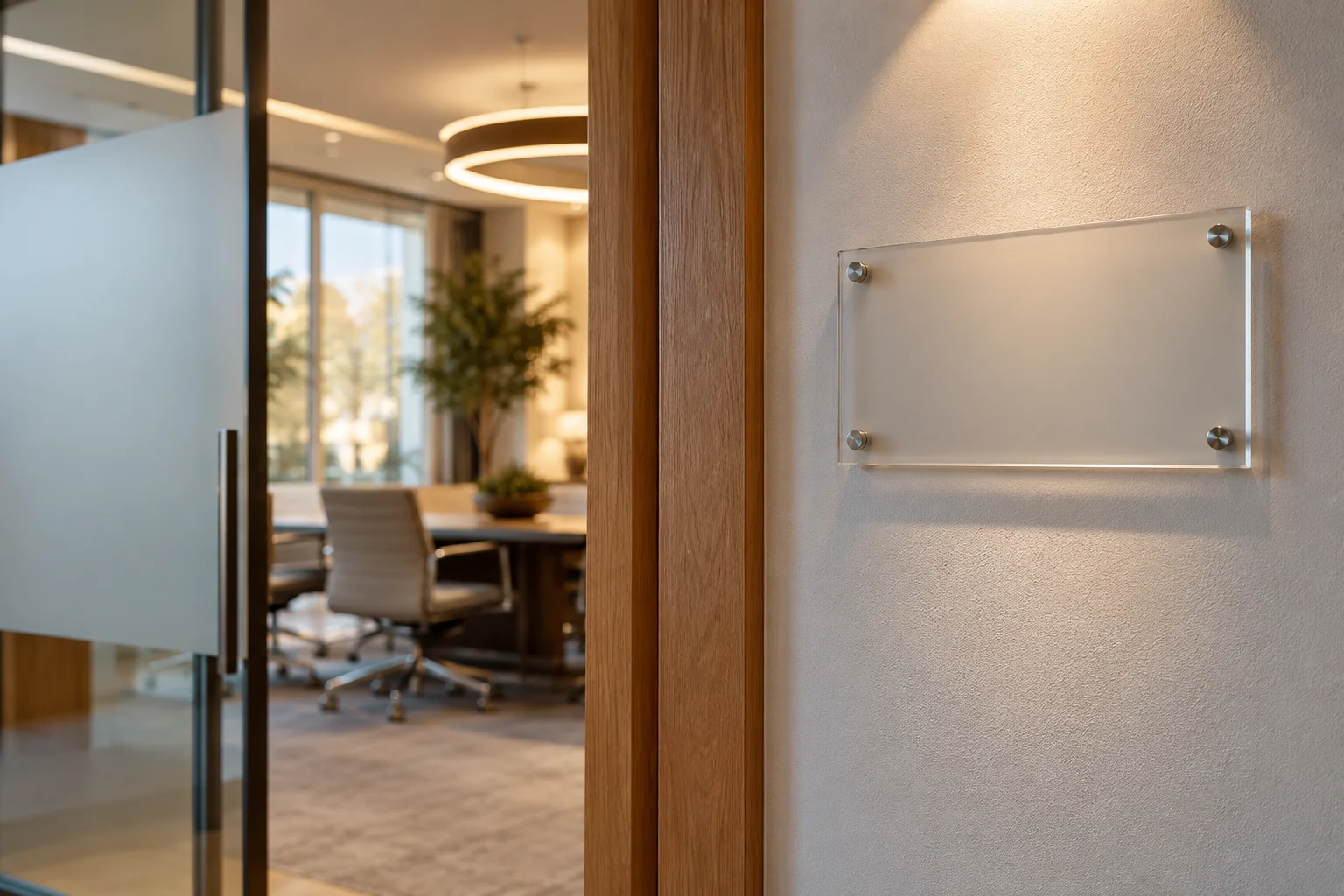
A folder on a desktop or a stack of printed sketches can feel like progress, but there is a distinct gap between a collection of visual ideas and a physical object mounted to a building. You might have a series of photographs showing how light hits a certain texture, or a collection of handwritten notes regarding font styles and color palettes. These are valuable assets, yet they represent a starting point rather than a finished directive.
The weight of visual intent
When you begin looking at sign-making services, the first hurdle is translating your abstract preferences into a tangible brief. A sign is rarely just a name; it is a tool designed for a specific audience. A sign meant to catch the eye of a driver passing at forty miles per hour requires different considerations than one intended for a pedestrian walking a dog. Your notes should reflect this distinction. Consider whether your imagery emphasizes high-contrast legibility for distance or subtle, tactile elegance for close-up viewing.
The tradeoff often lies between the immediate impact of a bold, illuminated display and the understated integration of a custom-carved wooden or metal piece. One might command attention in a busy commercial corridor, while the other might blend seamlessly into a quiet, historic streetscape. Deciding which direction to take depends entirely on the atmosphere you want your space to project.
Bridging the gap with a provider
For example, if you have gathered several photographs of weathered steel and a note about "warm, evening lighting," you have a direction, but not a blueprint. You cannot simply hand over a photo and expect a finished product. This is where the conversation with a sign specialist begins. Instead of assuming your vision is ready for production, use your collection as a prompt for a technical dialogue.
Ask the provider how the specific materials or lighting styles you have noted can be realistically achieved. You might ask how the dimensions of your intended space will affect the scale of the design you have sketched. It is also helpful to ask about the durability of certain finishes in our regional climate and how they might age over time.
Navigating the local landscape
Beyond the aesthetics of the sign itself, the physical placement of an object on a building involves external factors. A beautiful design is of little use if it cannot be legally installed. Ask the provider which local approvals might be necessary for the type of sign you are proposing. Inquire about who is responsible for managing those permissions and whether the specific mounting method you desire aligns with local standards for the area.
The transition from a collection of notes to a physical sign is a process of refinement. By using your existing visual research to ask targeted questions about feasibility, audience, and compliance, you move from a state of gathering ideas to a state of making decisions.


