A handwritten recipe is rarely a finished document. It is a living record of what happened at the table, capturing the moment a pinch of smoked paprika replaced a dash of cayenne, or when a specific brand of honey changed the profile of a glaze. For those who manage the social rhythms of a household or a regular hosting circle, the challenge lies in documenting these shifts so they can be revisited with intention.
The Burden of the Host
In many social circles, one person often carries the invisible weight of coordination. This individual manages the guest list, tracks dietary preferences, and oversees the logistics of the meal. When this person decides to deviate from a classic preparation to accommodate a sudden change in available ingredients or a guest's specific taste, the knowledge of that change often vanishes once the plates are cleared. Without a dedicated way to record these pivots, the next time the same group gathers, the host may find themselves retracing steps or repeating a version that did not land quite as well as the last.
Capturing the Evolution
A functional notebook should serve as more than a collection of instructions; it should be a ledger of outcomes. Rather than simply rewriting a recipe, consider a three-part entry system: the original source, the specific substitutions made during the process, and the qualitative response from the diners. This creates a map of the meal's journey from the cookbook to the table.
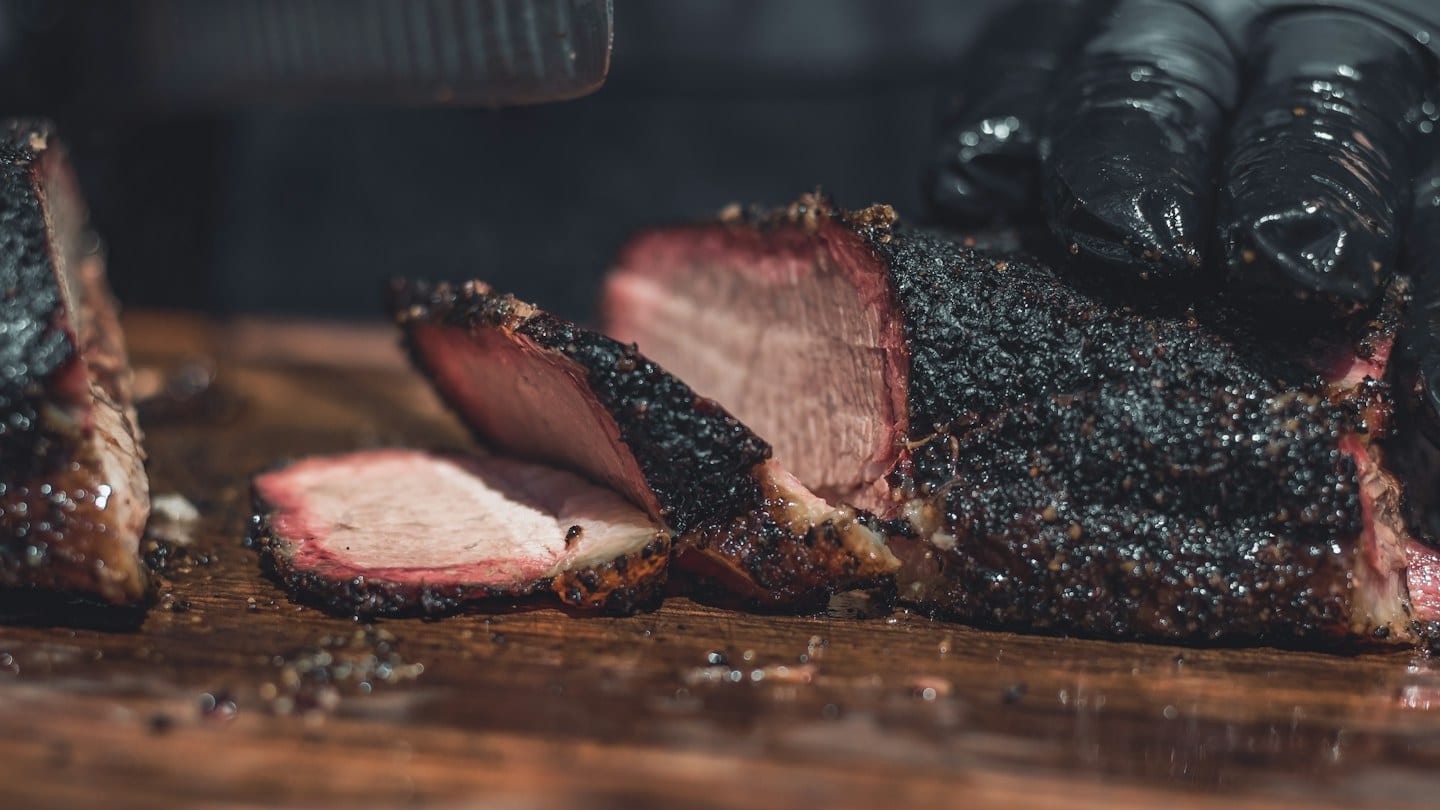
For example, if you are preparing a slow-roasted brisket for a group, you might start with a standard rub recipe found in a local cookbook. During the preparation, you might substitute coarse sea salt for kosher salt due to what was available in the pantry. In the margin, you can note whether the guests commented on the texture or if the saltiness felt more pronounced. This transforms a simple instruction into a piece of personal data.
The Tradeoff of Precision
There is a meaningful tradeoff between the desire for a perfect, repeatable standard and the reality of culinary improvisation. A notebook that only records "correct" methods ignores the very essence of home cooking: adaptation. However, a notebook that is too cluttered with every minor whim can become difficult to read when you are in the middle of a busy kitchen. The goal is to find a balance between the rigid structure of a professional manual and the chaotic notes of a casual cook.
Decide whether your priority is to replicate a specific, proven success or to document a continuous experiment. If you aim for the former, focus your notes on the exact measurements used. If you seek the latter, prioritize the feedback received at the table. By treating your recipe book as a record of both the method and the reaction, you turn every meal into a building block for the next gathering.