A dinner party often begins with the host standing alone in a kitchen, surrounded by ingredients and a mental checklist, while the guests are still miles away. For the person who wants to actually sit down and enjoy the conversation, the challenge lies in transitioning from the role of the orchestrator to that of a participant. Achieving this balance requires a shift in how we approach the menu, the labor, and the social dynamics of the group.
Defining the Menu Boundaries
The first decision involves deciding how much of the culinary heavy lifting you will carry alone. There is a distinct tradeoff between a curated, singular vision and a collaborative spread. A strictly personal menu ensures a cohesive flavor profile, but it places the entire burden of sourcing and preparation on one person. Conversely, inviting contributions can lighten the load, though it introduces variables in timing and taste.
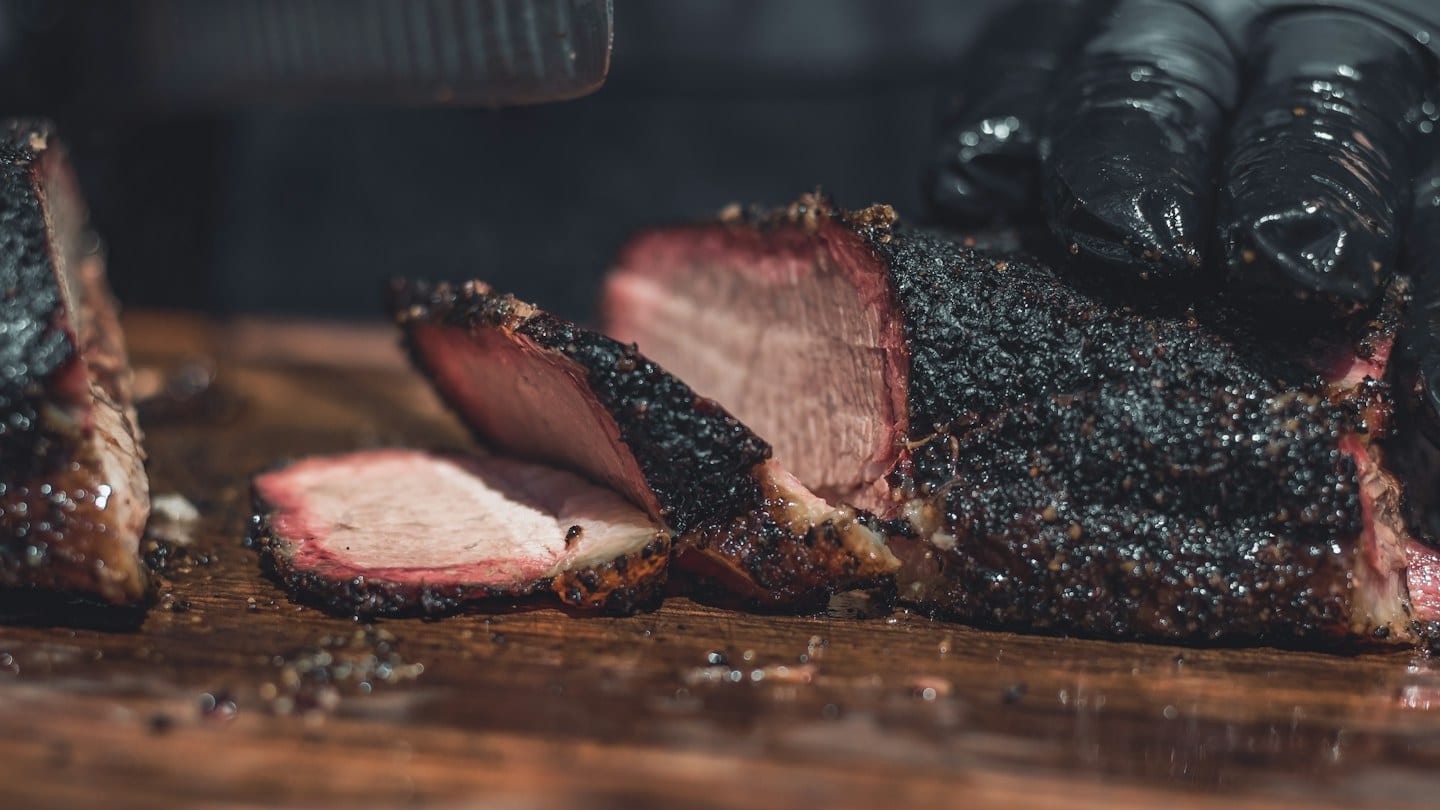
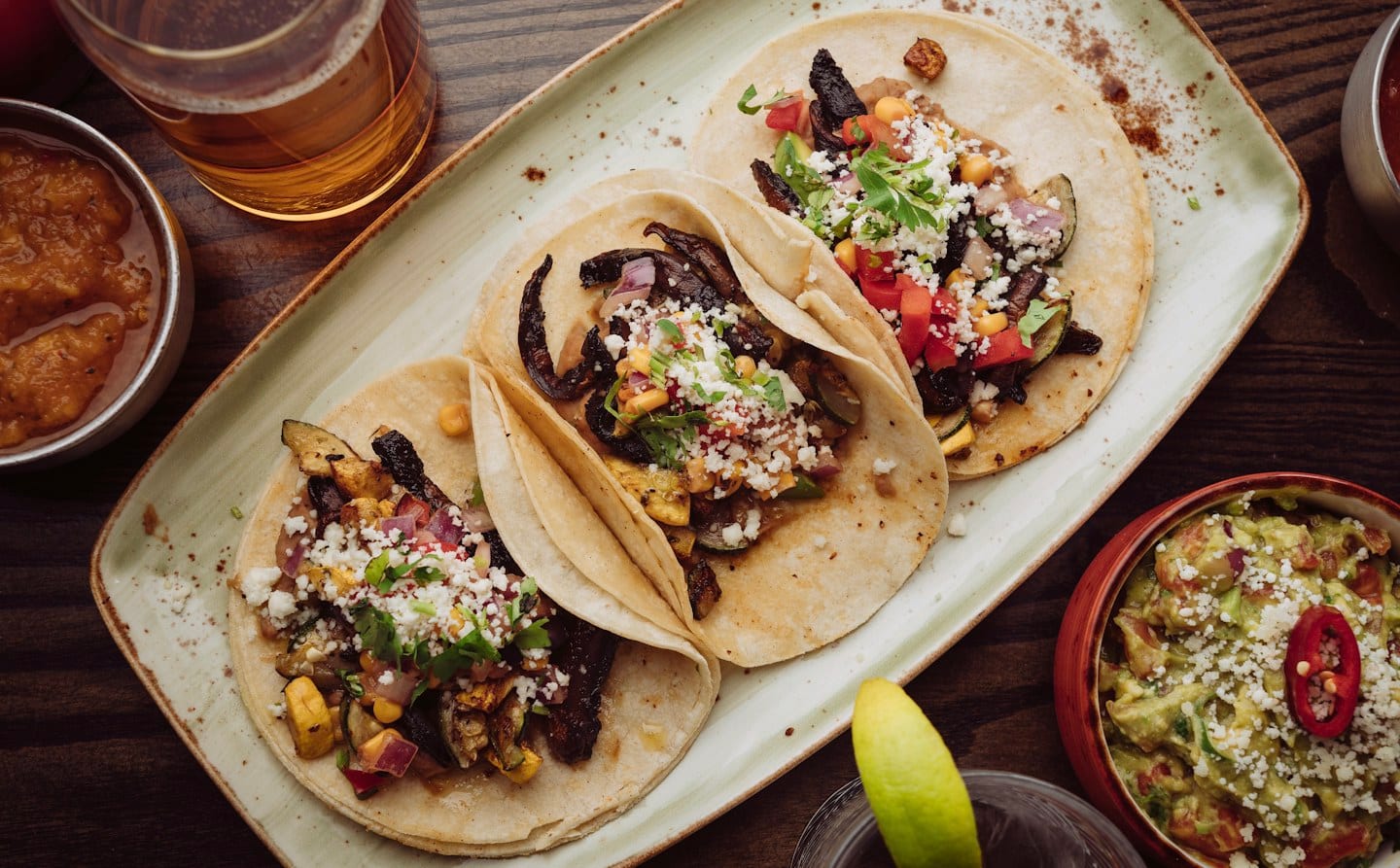
For example, if you decide to host a taco night, you might choose to provide the slow-cooked proteins while asking guests to bring specific accompaniments like salsas, pickled onions, or heirloom corn tortillas. This allows you to maintain control over the centerpiece of the meal while distributing the variety across the group. Ask your guests what they are comfortable providing to ensure the spread remains balanced rather than redundant.
Navigating Different Communication Styles
The logistics of a shared meal are often complicated by the people involved. Not every guest interacts with a group text or a shared digital calendar in the same way. Some may thrive on a quick, informal message, while others might feel overwhelmed by a flurry of notifications or, conversely, might miss a casual mention of a dietary preference.
Imagine a group where one friend prefers a detailed itinerary sent days in advance, another only responds to direct phone calls, and a third prefers to keep things vague until the moment they arrive. Managing these preferences is as much a part of the evening as the seasoning of the food. To prevent confusion, establish a single, clear method for confirming contributions and arrival times. You might ask your guests which specific way of communicating works best for them to ensure no one feels sidelined or uninformed.
Separating Preparation from Presence
The most critical distinction to make is between the tasks required to get the food on the table and the tasks required to keep the evening flowing. If the host is responsible for every pour, every plate, and every clearing, the role of the guest is lost. To avoid this, designate specific roles for the evening that do not involve the cooking itself.
You might ask a close friend to manage the beverage station or another to assist with the transition from the dining table to the lounge area. By separating the preparation of the meal from the service of the meal, you create space for yourself to inhabit the table. The goal is to move from the kitchen to the chair, ensuring that the person who brought everyone together is actually present for the reason they gathered: the company.