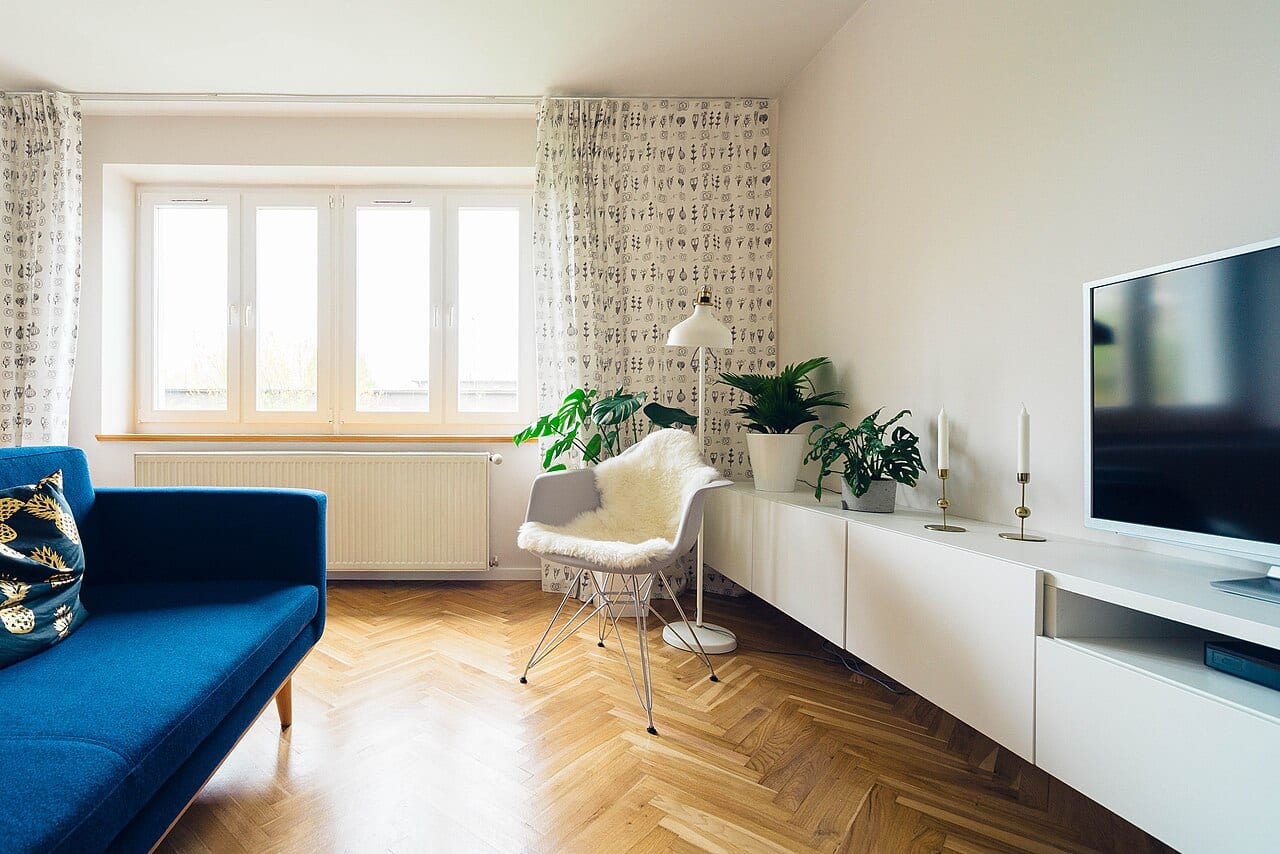
A rental room often arrives as a blank, neutral canvas, offering little room for the permanent expressions of personality that make a house feel like a home. Without the ability to swap out light fixtures or install custom shelving, the challenge lies in layering your own character onto a space that belongs to someone else. The goal is to find a balance between personal comfort and the necessity of leaving the room exactly as you found it.
The Weight of Temporary Pieces
Selecting furniture for a rental requires a different mindset than furnishing a permanent residence. Instead of heavy, built-in styles, look toward pieces that prioritize mobility and versatility. Lightweight shelving units, modular sofas, or freestanding desks allow you to rearrange your environment as your needs evolve. This flexibility is particularly useful when you are navigating the transitions of urban living.
Consider the tradeoff between aesthetic impact and ease of movement. A large, plush armchair might offer unparalleled comfort during a long evening of reading, but it may also be difficult to maneuver through narrow doorways or into a small apartment. For example, if you find a beautiful, heavy wooden sideboard that fits your style perfectly, ask yourself whether you can realistically move it during a weekend move without assistance or damage to the rental floors. Sometimes, a series of smaller, stackable storage bins or a slim, rolling cart provides the same utility with far less logistical friction.
Navigating Shared Living Dynamics
The difficulty of personalizing a space often intensifies when you are sharing it with others. Imagine a household where three roommates have vastly different communication styles: one person prefers quick, digital updates via text, another relies on verbal discussions over dinner, and the third prefers leaving handwritten notes on the kitchen counter. In a shared rental, these preferences can lead to friction regarding how common areas are used or how personal belongings are stored.
To manage this, look for storage solutions that create clear, visual boundaries. Using distinct baskets for shared items versus individual belongings can help reduce the ambiguity that often sparks disagreement. When a group cannot agree on how to organize a shared closet or pantry, the solution may lie in physical organization rather than endless debate. Ask your housemates how they prefer to handle the visibility of personal items in communal zones to find a middle ground that respects everyone's need for order.
Clarifying the Boundaries of Change
Before you commit to even minor alterations, such as hanging a heavy mirror or installing a new curtain rod, it is wise to seek clarity. Rather than assuming what is permitted, direct your questions toward the people who manage the property. Ask the management office which types of wall attachments are acceptable and whether they require specific methods for filling holes upon your departure. Confirming these details beforehand prevents the stress of unexpected deductions from a security deposit later on.
Ultimately, a successful rental setup relies on choosing items that serve your lifestyle today while remaining easy to pack away tomorrow. By prioritizing modularity and clear communication with both roommates and management, you can create a space that feels entirely your own without making a single permanent mark.