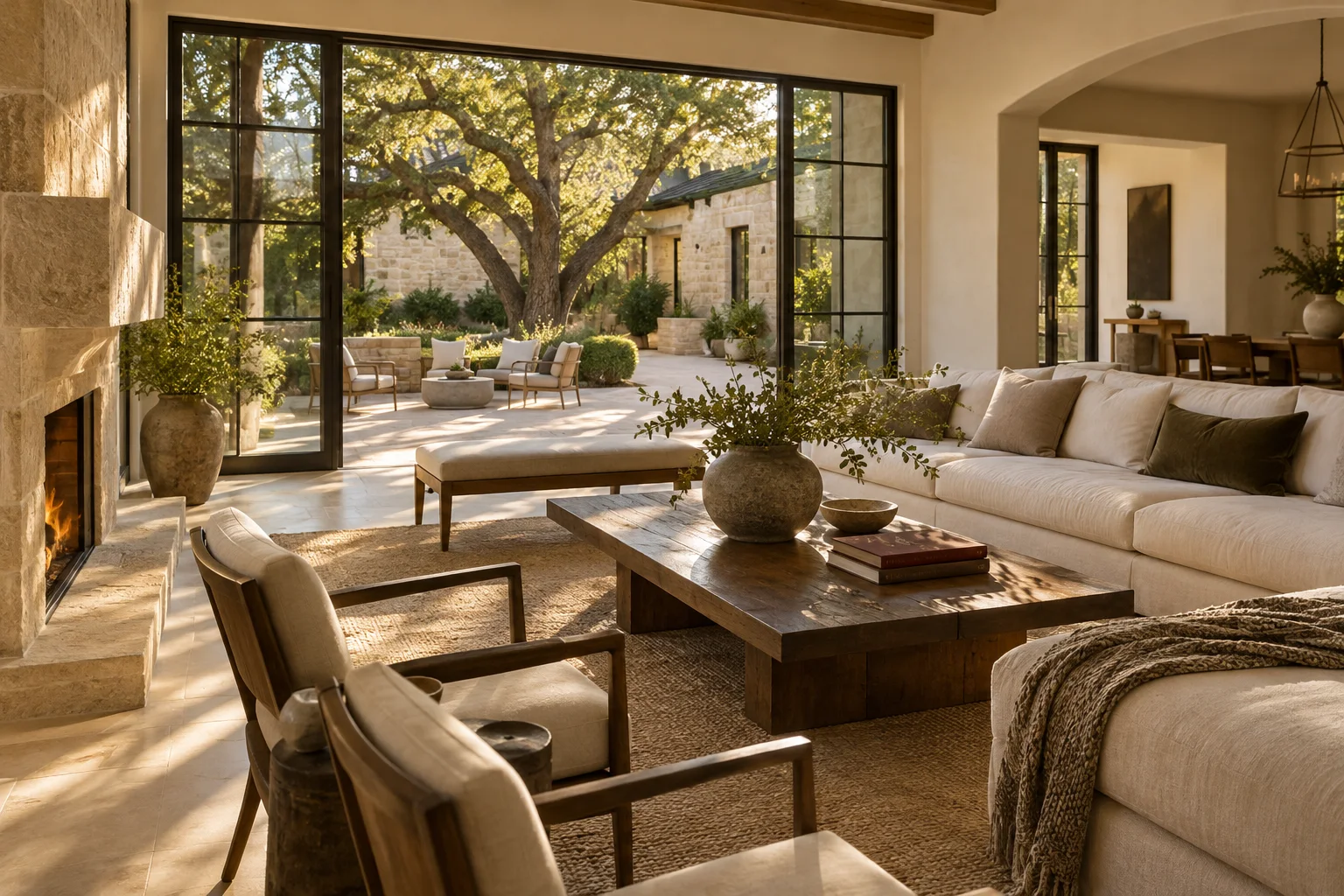
A heavy, mid-century sideboard or a hand-carved wooden table often arrives with a history written in its surface. For many Texans, these objects represent more than mere furniture; they are anchors for a room's character. However, the transition from a dusty find to a functional centerpiece involves a series of choices regarding what to preserve and what to change.
The Weight of Coordination
For those managing a household or a shared living space, the responsibility of a restoration project often falls to a single individual. This person becomes the central point of contact, balancing the aesthetic desires of the group with the practical realities of the object. The challenge lies in translating a collective vision into specific instructions. While one person might want a sleek, modern finish, another might insist on keeping the original patina that proves the item's age. The coordinator must document these preferences before any work begins, ensuring the final result satisfies the people living with the piece.
Observing the Surface
Before seeking assistance, take time to look closely at the object. Note the texture of the wood, the integrity of the joints, and any visible marks. Is the damage a superficial scratch or a deep structural fissure? Does the object feel stable when weight is applied? These observations form the basis of a conversation with a specialist. Instead of deciding what is broken, focus on what is visible. Documenting the current state helps clarify whether you are looking for a cosmetic touch-up or a significant overhaul.
Evaluating the Tradeoffs
Every restoration involves a compromise between historical accuracy and modern utility. For example, if you find a vintage dining table with a water-damaged surface, you face a choice. You might prioritize a complete refinishing that makes the wood look brand new, which changes the item's character entirely. Alternatively, you might choose a more conservative repair that stabilizes the wood but leaves the history of its use intact. The tradeoff is between a piece that looks like a showroom model and one that feels like a storied heirloom.
Defining the Vision
Once you have observed the condition and discussed the group's preferences, the next step is to consult a professional. Rather than asking for a specific outcome, ask questions that clarify the boundaries of the work. You might ask a professional what can be achieved given the current state of the material, or inquire how different finishes might affect the object's long-term durability. Ask what specific parts of the original construction can be maintained and what might need to be replaced to ensure it remains functional for daily use. This approach allows the expert to provide a realistic view of the possibilities without making promises about a specific appearance.