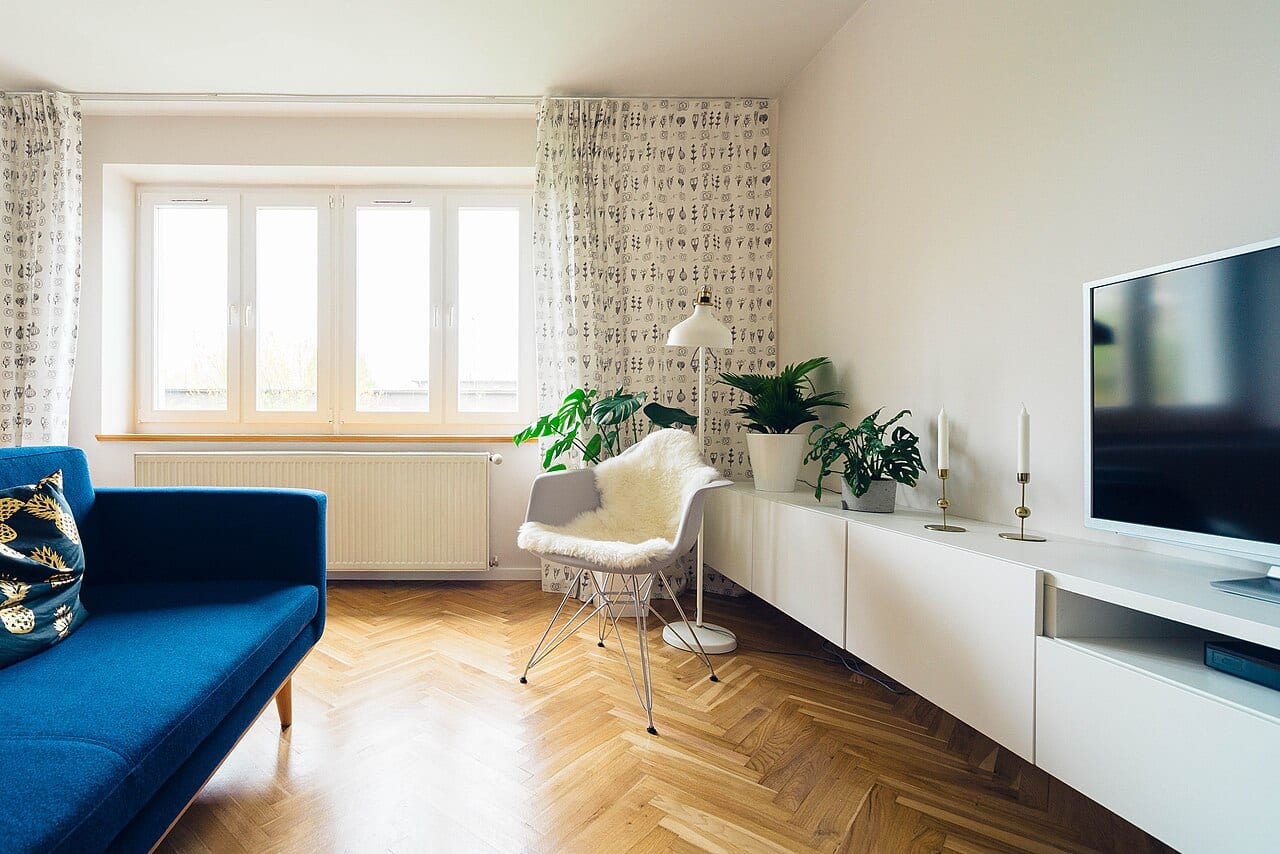
The way sunlight enters a room can change the entire mood of a home, shifting from a bright, airy morning glow to a sharp, midday glare. When you stand in a room and look toward the windows, you are faced with a series of immediate, sensory decisions. Do you want to see the movement of the trees outside, or do you prefer the soft, diffused glow that comes from obscuring the view? Do you want the ability to plunge a room into darkness, or should the light remain a constant presence, even when the sun is at its peak?
The weight of a single decision-maker
In many households, the responsibility for managing home improvements falls to one person. While this allows for a singular, cohesive vision, it also places the entire burden of research and coordination on one set of shoulders. If you are the person tasked with selecting the window treatments for your family, you are not just choosing a fabric or a shade; you are managing the expectations of everyone who lives there. You must consider how a choice affects the person who reads in the corner by the window, the person who needs total darkness to sleep, and the person who wants the living room to feel expansive and connected to the outdoors.
For example, if you decide on a heavy, opaque material to ensure absolute privacy from a neighboring street, you might find that the room feels smaller or more enclosed during the afternoon. Conversely, if you choose something sheer and light, you may find yourself constantly adjusting the light to prevent glare on a television screen. This tradeoff between privacy, light control, and visual openness is the central challenge of the project.
Observing your own environment
Before meeting with a supplier, spend time observing your windows at different hours. Notice where the shadows fall and how much heat seems to radiate from the glass. Look at your existing furniture and the colors of your walls. Are you looking for a treatment that blends into the background, or something that acts as a focal point in the room? Identifying these preferences helps move the conversation from vague ideas to specific requirements.
Conversations with a specialist
When you are ready to consult a professional, avoid getting bogged down in technical jargon. Instead, focus on the lived experience of your home. Ask the supplier how their recommendations address the specific light and privacy needs you have observed. You might ask how a particular option handles the transition from day to night, or how it will look when it is fully retracted. If you are concerned about the longevity of a material in a sun-drenched room, ask how that specific choice might respond to constant exposure. By focusing on your observations, you can guide the professional toward a solution that fits your actual daily routines.