This is a paid partner contribution. Commercial relationships are disclosed so readers can distinguish sponsored content from editorial guides.
A new sign is often the first physical point of contact between a business and a passerby. When the time comes to upgrade a storefront or announce a new location, you will likely receive several different proposals. These documents rarely look identical, and the differences often lie in the materials, the installation methods, and the long-term maintenance requirements.
Defining Your Space
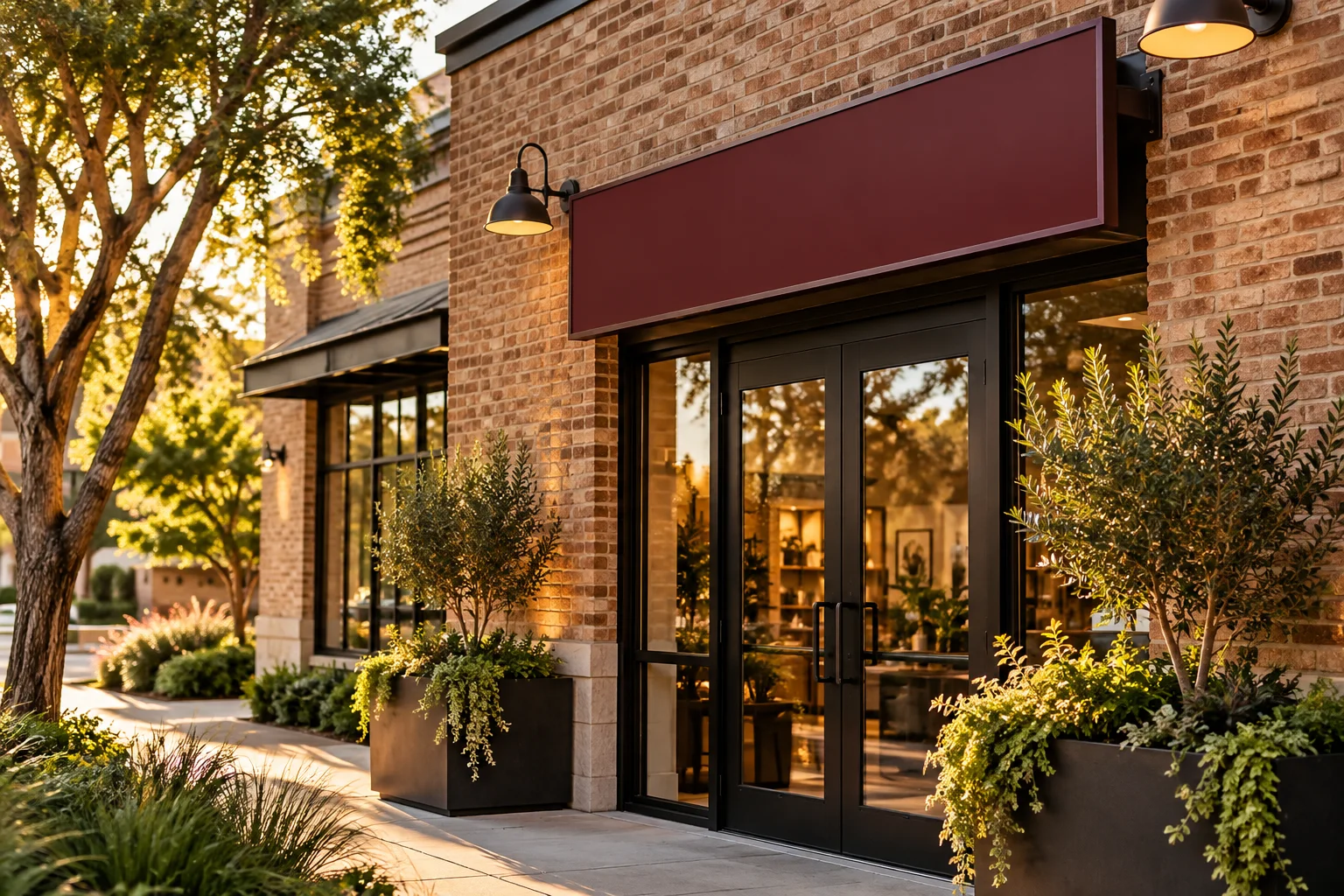
Before reviewing any quotes, look closely at the physical constraints of your property. A sign that looks striking in a digital rendering may face different realities when mounted to a specific brick facade or positioned under a deep overhang. Consider how much visibility you need from the street versus how much you need for pedestrians walking directly past your door. For example, if you are looking for building signs dallas, you might weigh the impact of a large, illuminated display against the subtlety of a smaller, non-lit sign that fits a historic building's aesthetic.
Ask the provider how their recommendation addresses the specific dimensions and lighting conditions of your site. You may need to decide between a permanent fixture that requires minimal upkeep and a more dynamic option that offers frequent updates.
Comparing Content and Technology
If your business requires movement or frequent messaging updates, you might consider digital options. This introduces a different set of considerations regarding what happens after the hardware is installed. Some proposals may only cover the physical screen, while others might include the software and the design work needed to make the screen useful.
When reviewing these options, ask if the quote includes digital sign packages that include content creation. A lower initial price for hardware might mean higher costs later if you have to source separate design services every time you want to change a sale or an announcement. The tradeoff is between a lower upfront investment and a more integrated service that handles the visual elements for you.
Preparing Your Questions
To make an informed choice, gather your site measurements, photos of the intended installation area, and a clear list of your goals. Having these ready allows you to compare "apples to apples" when the proposals arrive. Instead of looking only at the bottom line, look at the specific components of the service.
Ask the professional who will handle the installation and what their process involves for your specific building type. Inquire about the expected lifespan of the materials mentioned in the quote and what happens if a component requires repair. By focusing on how each proposal meets your actual site needs and your daily operational routines, you can select the option that best serves your business over the long term.


